
Government debt collection services
Professional Credit provides government debt collection services for cities, counties, state agencies, emergency medical service providers, utilities, courts, and other public sector organizations across the United States. With more than 90 years of experience, nationwide licensing, and a citizen-first approach, we help government agencies recover outstanding debt while protecting public trust.
why government agencies choose professional credit
90+
Years
Delivering trusted debt collection services since 1933
We proudly partner with more than 300 cities, counties, state agencies, and other government organizations throughout the United States
300+ government Clients
high recovery rates
Clients experience recovery rates 5–10% above industry averages
Professional Credit maintains an A+ Better Business Bureau rating, demonstrating our commitment to ethical business practices and exceptional client service
A Trusted Partner
We collect in all 50 states, making us an ideal partner for organizations with diverse collection needs
licenced to collect in all 50 states
Debt Collection Services Designed for Better Recovery and Better citizen Experiences
Professional Credit partners with government organizations to recover a wide range of delinquent accounts. Every collection strategy is tailored to your agency's needs while maintaining compliance, accountability, and a positive citizen experience.
We help government agencies recover:
-
Recover unpaid water, sewer, electric, and other utility balances while maintaining positive relationships with your residents.
-
Recover delinquent taxes, fines, and administrative fees through a compliant, citizen-focused collection process.
-
Recover unpaid parking citations with a collection process that balances accountability with excellent citizen service.
-
Recover delinquent court fines and related obligations through a transparent, compliant collection process designed for public agencies.
-
Recover outstanding EMS accounts while protecting your organization's reputation and delivering a compassionate patient experience.

Real Testimonials from Our Government Collection Clients
How Our Debt Collection Services Work
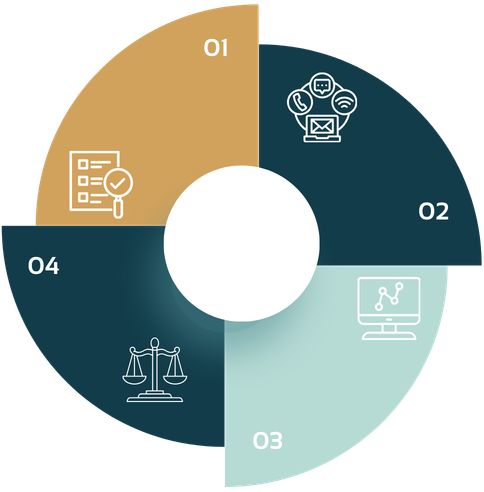
Upon placement, accounts are screened for bankruptcy, deceased status, active-duty military protections, litigious indicators, and address accuracy before being loaded into our system. When applicable, insurance coverage is also verified. Accounts are loaded within 24 hours of file receipt.
1. Intake & Screening
Within 72 hours of placement, we launch collections using two Non-FCRA scoring models, along with demographics and client data, through our TIER Service Program. This approach segments accounts, intensifies multichannel outreach on high-probability accounts, and monitors and escalates lower-probability accounts as the ability to pay improves.
2. Initial Collections Activity
You'll gain a strong legal partner with our in-house legal team if the need arises. We offer multiple legal avenues for collection activities and collaborate closely with your team to assess accounts suitable for legal proceedings.
3. Advanced Collections Activity
Our trained collectors leverage advanced technology to locate and reach out to citizens. We persist with multiple contact attempts and employ skip-tracing methods through a network of data vendors with access to extensive databases.
4. Legal Collections Activity

Spotlight on Emergency medical services (EMS) recovery
Emergency medical service providers face unique collection challenges. Recovering revenue is essential to maintaining operations, but every patient interaction also reflects on your organization.
Professional Credit's EMS Recovery program helps public, private, and hospital-based ambulance providers recover outstanding balances while delivering a compassionate, respectful experience for patients.
Our team understands the complexities of EMS billing and collections and combines specialized expertise with advanced technology to improve recoveries while protecting your organization's reputation.
“They not only did a fine job increasing our returns but also possess admirable values as an organization. They are committed to data security, treating the public very well, and being responsive to our needs. We have dealt with several agencies in the past, and I can say without hesitation that Professional has been the best.”
Director of Billing from the Oregon Medical Group
Proven through client testimonies
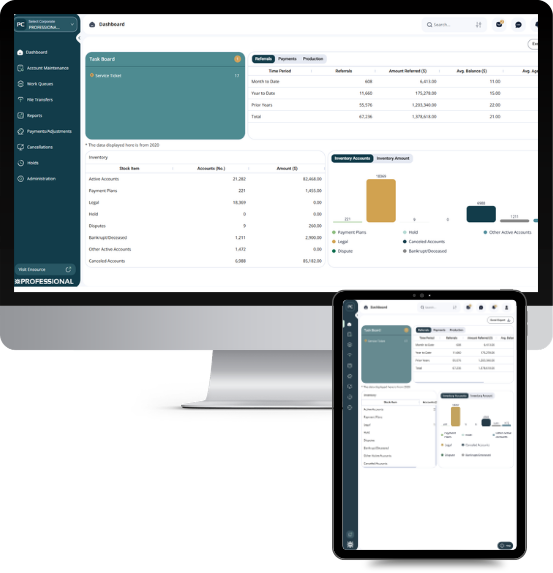
COMPLETE TRANSPARENCY WITH OUR CLIENT TOOLS PORTAL
One of the biggest advantages of partnering with Professional Credit is the visibility you'll have throughout the collection process.
Our proprietary Client Tools Portal gives your team secure, 24/7 access to your collection data through one easy-to-use platform.
Whether you're checking on a single account or reviewing overall collection performance, you'll always have access to the information you need to stay informed.
With client tools, you can:
View every account placed for collections
Monitor collection activity in real time
Review every call, note, payment, and account interaction
Listen to recorded collection calls
Generate customized reports
Track payment history and recovery performance
Access account information securely from any device, 24/7

partner with professional credit
Recovering public funds requires experience, transparency, and a partner who understands the unique responsibilities of government organizations.
Professional Credit combines decades of collection expertise, advanced technology, and complete account transparency to help government agencies improve recoveries while maintaining public trust.
Whether you're looking for government debt collection services for a city, county, state agency, utility, court, or EMS provider, Professional Credit is ready to help.
Fast, Simple Onboarding
Professional Credit makes onboarding simple and efficient so collection activity can begin quickly with minimal disruption to your internal teams.
Finalize onboarding documentation, establish timelines, identify key contacts, and prepare for implementation.
1. Contract Administration
Review workflows, reporting expectations, communication preferences, and secure file transfer requirements.
2. Project Development
Provide onboarding guidance, workflow support, and Client Tools portal training for your team.
3. Training
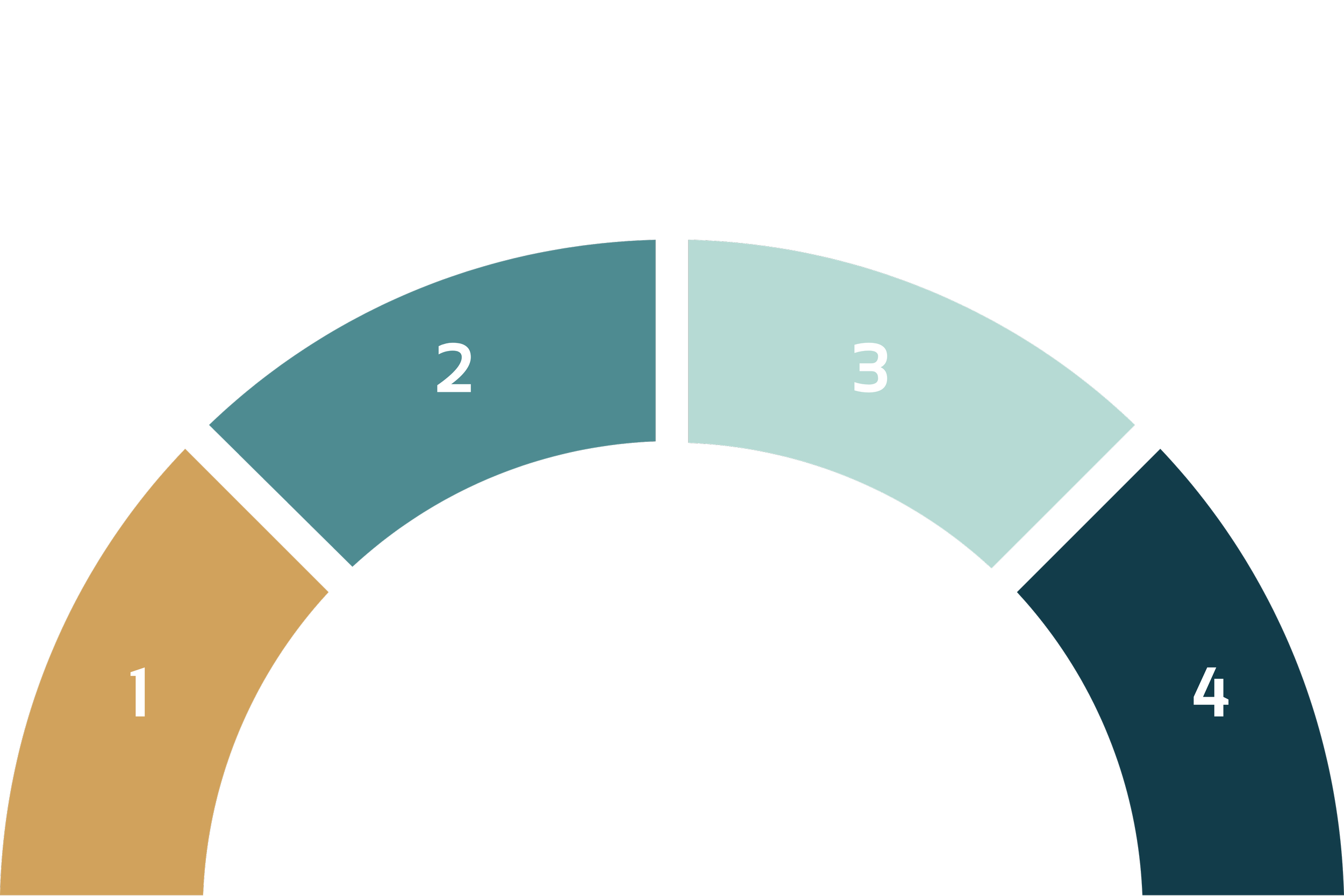
Collection activity begins with ongoing communication, reporting insights, and implementation support.
4. Go Live
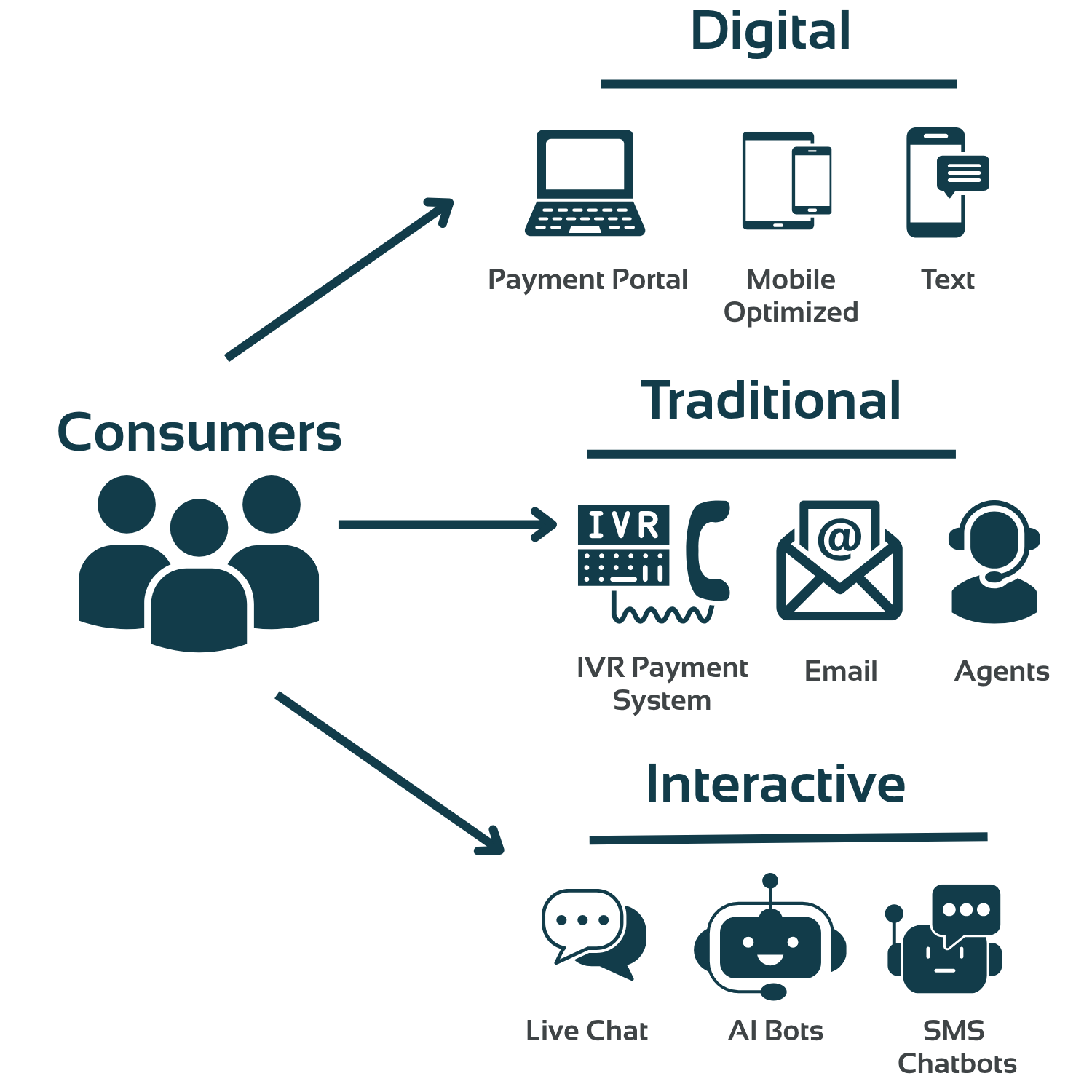
Modern Technology That Improves the Citizen Experience
Today's citizens expect convenient, secure ways to communicate and make payments.
Professional Credit's government debt collection services leverage modern technology to make resolving outstanding balances easier through:
Secure online payments
Mobile-friendly payment options
Text messaging
Email communication
Live chat
AI-powered virtual assistants
Traditional phone support
Flexible payment arrangements when appropriate
By offering multiple communication channels and payment options, we make it easier for citizens to resolve their accounts while helping government agencies improve recovery rates.
At Professional Credit, protecting sensitive data and maintaining the highest standards of compliance is central to everything we do. We operate within a strict regulatory framework to ensure the security of client and consumer information at every stage of the revenue cycle.
Our organization adheres to industry-leading standards and undergoes regular third-party audits to validate the effectiveness of our controls. From data handling and storage to communication and account management, every process is designed with security, accuracy, and accountability in mind.
We maintain compliance with key industry regulations and certifications, including:
security & compliance
PCI Level 1 Compliant: Highest level of compliance under the PCI DSS.
FDCPA Compliant: Federal standards for third-party debt collection practices.

HIPAA Compliant: Protection of patient health information and privacy.
TCPA Compliant: Responsible phone and text communications that follow consent, calling-hour, and Do-Not-Call requirements.
SSAE 18 Compliant: Independent validation of internal control effectiveness.
BBB Accreditation: Commitment to ethical business practices, transparency, and responsiveness to customer concerns.
In addition, our team is trained on evolving regulatory requirements and best practices, ensuring we remain aligned with both federal and state guidelines.
By combining advanced technology, rigorous oversight, and a culture of accountability, Professional Credit provides clients with confidence that their data is protected and their reputation is safeguarded.
Frequently Asked Questions (FAQs) About Government Debt Collection Services
-
Government debt collection begins when a city, county, court, public utility, EMS provider, or other government organization has exhausted its internal billing and collection efforts without receiving payment. The agency then places delinquent accounts with a third-party collection agency, which verifies account information, contacts individuals through mailed letters, phone calls, email, text messaging, and secure online payment portals, and works to recover the outstanding balance. Throughout the process, the agency receives regular reporting on account activity, payments, and recovery performance. When appropriate and authorized, some accounts may also be referred for legal collections.
-
The appropriate timing depends on the type of debt, applicable laws, and your organization's collection policies. Many cities, counties, courts, and public utilities refer delinquent accounts after multiple billing notices, payment reminders, and internal collection efforts have been unsuccessful. Some organizations place accounts after 90 to 120 days of delinquency, while others wait longer based on statutory requirements or local policies. Establishing a consistent placement timeline helps improve recoveries while ensuring all accounts are handled fairly and consistently.
-
Government collection agencies recover a wide variety of delinquent public receivables. Common examples include unpaid utility bills, property taxes, court fines and fees, parking citations, ambulance bills, business license fees, code enforcement fines, overpayments, public housing balances, loans, and other government receivables. The types of accounts a collection agency can recover depend on the organization's policies, applicable laws, and the agency's experience.
-
Yes. Public utilities, cities, counties, and utility districts frequently partner with collection agencies to recover unpaid water, sewer, electric, natural gas, and solid waste utility balances after billing notices and internal collection efforts have been exhausted. Collection agencies notify customers of delinquent balances, offer payment options, answer account questions, and work to resolve unpaid accounts through mailed letters, phone calls, email, text messaging, and secure online payment portals while complying with applicable federal and state collection laws.
-
Yes. Courts and government agencies frequently partner with third-party collection agencies to recover unpaid court fines, court costs, probation fees, traffic citations, parking citations, and other court-ordered financial obligations after internal collection efforts have been exhausted. Collection agencies contact individuals through mailed letters, phone calls, email, text messaging, and secure online payment portals while complying with applicable federal, state, and local laws. Depending on state law and applicable court policies, additional remedies may be available after unpaid fines or fees are referred for collection or legal enforcement. These may include court-administered or other legally authorized enforcement measures appropriate to the particular obligation and jurisdiction.
-
Yes. Emergency medical service (EMS) providers, fire districts, municipalities, and private ambulance companies frequently partner with collection agencies to recover unpaid ambulance bills after insurance claims have been processed and internal billing and collection efforts have been exhausted. Collection agencies contact patients through mailed letters, phone calls, email, text messaging, and secure online payment portals to recover outstanding balances while complying with applicable federal and state laws.
Because ambulance bills often involve insurance payments, patient responsibility, and government reimbursement programs, many EMS providers choose a collection agency with experience in emergency medical services and healthcare collections.
-
When evaluating a government collection agency, look for experience serving public sector organizations, compliance with federal and state collection laws, nationwide licensing, strong data security practices, transparent reporting, and technology that gives your agency real-time visibility into collection activity. The agency should also have experience recovering the specific types of debt your organization manages, such as utility bills, court fines and fees, taxes, parking citations, or EMS accounts.
It's also important to evaluate how the agency communicates with citizens. A professional, respectful approach helps protect your agency's reputation while improving collection outcomes.
-
Yes, in many states. Collection agency licensing requirements are typically established at the state level, so the requirements vary depending on where the agency operates and where the debt is being collected. While some states do not require a collection agency license, many require third-party collection agencies to obtain and maintain state licenses before collecting accounts. Agencies must also comply with the federal Fair Debt Collection Practices Act (FDCPA) and other applicable federal, state, and local laws.
If your organization serves multiple states or places accounts across different jurisdictions, it's important to choose a collection partner that maintains the required licenses wherever it conducts business. Professional Credit is licensed to collect in all 50 states.
-
Cities outsource debt collection to recover more unpaid revenue, reduce administrative workload, and allow staff to focus on serving their communities rather than pursuing delinquent accounts. Third-party collection agencies provide experienced collectors, specialized technology, compliance expertise, and established collection processes that many municipalities do not have the resources to maintain internally.
Outsourcing also gives cities access to secure online reporting, account monitoring, skip tracing, digital payment options, and omnichannel communication strategies that help improve recoveries while providing citizens with convenient ways to resolve outstanding balances. Many government collection agencies also work on a contingency fee basis, meaning the agency is paid only when funds are successfully recovered.